I embarrassed myself at a family dinner last month. My uncle asked about my business goals, and I heard myself say, “I’m just trying to make ends meet.” The second the words left my mouth, I felt that familiar knot in my stomach. I’d done it again – defaulted to my oldest, most persistent limiting money belief.
We all have them. Those quiet, sneaky thoughts about money that live in our subconscious. They shape our financial reality more than our income, education, or even our actions. They’re often so deeply embedded we don’t even recognize them as beliefs – we just accept them as “the way things are.”
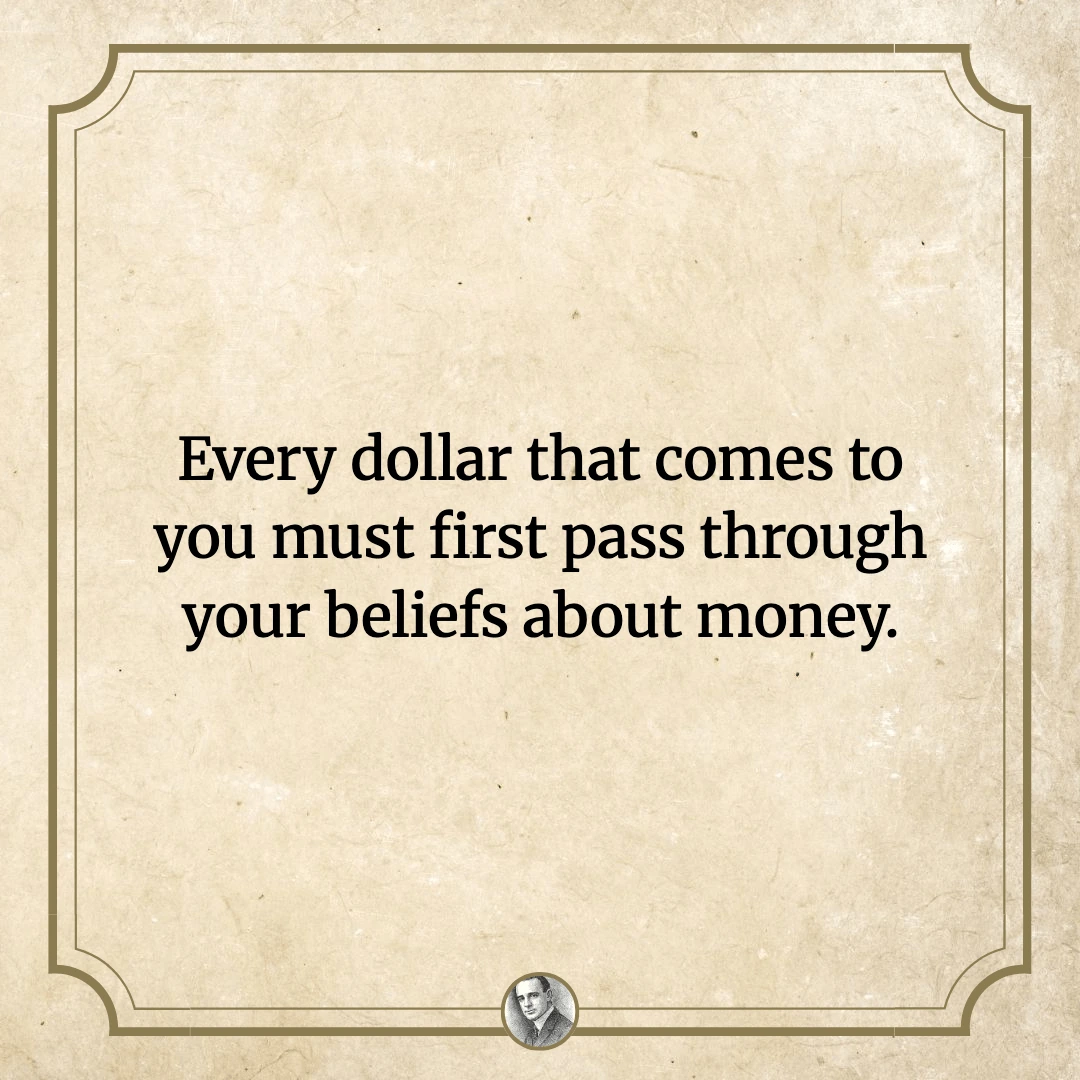
But here’s what makes this conversation so important: every dollar that ever comes to you must first pass through your beliefs about money.
If you’re not experiencing the financial abundance you desire, it’s worth looking at what’s happening beneath the surface. Because overcoming limiting beliefs about money isn’t just positive thinking – it’s about rewiring your entire relationship with wealth.
Those Silent Money Stories We Tell Ourselves
Most of our money beliefs formed before we were 10 years old. Wild, right? We absorbed them from watching our parents, hearing their conversations, and noticing their reactions to financial situations.
Did you grow up hearing “money doesn’t grow on trees” or “rich people are greedy”? Or maybe the message was more subtle – a tension in the house when bills arrived, or the way your parents changed the subject whenever money came up.
These early impressions became your money blueprint – a set of unconscious rules about what’s possible for you financially.
Common limiting beliefs include:
– “I have to work hard to make money” – “I’ll never be good with money” – “There’s never enough” – “Money corrupts people” – “I don’t deserve wealth”
The tricky part? These beliefs operate below our conscious awareness. They’re not thoughts we actively choose – they’re the background programming that runs automatically.
Our friend Mike had a revelation when he realized he kept sabotaging himself right when his business started succeeding. Turns out, he had a deep belief that “if I get too successful, people won’t like me anymore.” His subconscious was actually trying to protect him by keeping his income modest.
Why We Desperately Need to Break the Cycle
Here’s something nobody talks about enough: your money beliefs are creating your financial reality right now.
Think of it as a feedback loop. Your beliefs determine what opportunities you notice, what actions you take, and how you respond to financial situations. Those actions create results that then reinforce your original beliefs.
If you believe “money is hard to come by,” you’ll likely: – Notice evidence that confirms this (like bills and expenses) – Miss opportunities for abundance that don’t fit your belief system – Make decisions from a scarcity mindset – Create results that make money feel scarce – And then say, “See? Money is hard to come by!”
Breaking this cycle isn’t just about making more money – it’s about freedom. When you overcome limiting beliefs about money, you stop being controlled by unconscious patterns. You gain the power to create your financial reality intentionally.
Napoleon Hill understood this principle perfectly. After studying hundreds of successful people, he concluded that wealth begins with a state of mind – what he called a “money consciousness.”
Spotting Your Money Blocks (Even When They’re Hiding)
The first step to overcome limiting beliefs is becoming aware of them. But since they’re often unconscious, how do you find them?
Look at your results. Your financial situation right now is the perfect mirror of your deepest money beliefs. Not the ones you say you have – the ones you actually hold in your subconscious.
Pay attention to your emotional reactions around money: – Do you feel guilty when you spend on yourself? – Anxious when checking your account balance? – Resentful toward wealthy people? – Embarrassed when talking about money?
These emotions are signposts pointing to underlying beliefs.
Your language matters too. Notice the words you use about money. Phrases like “I can’t afford that” or “that’s too expensive” reveal limiting beliefs in action. Even saying “I’m not good with numbers” is a story you’re telling yourself that shapes your financial reality.
One powerful exercise: complete the sentence “Money is…” with the first things that come to mind. Your immediate associations reveal your programming.
Money is… People with money are… In my family, money was…
Don’t judge your answers. Just notice them with curiosity.
Rewiring Your Money Mindset (Without Forcing Positivity)
Now for the transformation part. Overcoming limiting beliefs isn’t about forcing yourself to think positively. That approach rarely works because your subconscious can detect the fakery.
Instead, try these practical approaches:
1. Question your beliefs directly. When you catch yourself thinking “I’ll never be wealthy,” ask: “Is this absolutely true? Can I know with 100% certainty this is true? What examples exist that contradict this belief?”
2. Find the origin story. Many limiting beliefs formed during specific childhood incidents. When you trace a belief back to its source, you often realize it was based on a child’s limited understanding – not reality.
3. Create a new money story. Once you’ve identified an old belief, consciously craft a new one that feels both empowering AND believable. The believable part is crucial – your subconscious won’t accept affirmations that feel like complete lies.
For example, if your old belief is “I never have enough money,” a gradual shift might be: “I’m learning to create more abundance in my life” or “I’m noticing more opportunities for income.”
4. Surround yourself with new money messages. Read books about wealth consciousness. Listen to podcasts about abundance. Connect with people who have healthy relationships with money. Your environment shapes your beliefs.
5. Take aligned action. This is where many people miss the boat. New beliefs must be supported by new behaviors. Even small actions like checking your bank account regularly, creating a simple budget, or investing a tiny amount each month signal to your subconscious that your relationship with money is changing.
The Daily Practice That Actually Works
Transforming your money mindset isn’t a one-time event – it’s a practice. Just like building physical fitness, developing a wealthy mindset requires consistent effort.
One approach that’s helped many of our readers: create a daily money appreciation ritual. Spend just 5 minutes each morning acknowledging all the ways money is already working in your life.
Appreciate paying your bills (you have the resources to cover your needs!). Feel grateful for your income (money is already flowing to you). Notice the abundance around you (even simple things like running water and electricity represent wealth that kings of old couldn’t access).
By consciously looking for evidence of abundance rather than scarcity, you’re retraining your brain to notice opportunities rather than limitations.
Another practice: start tracking every dollar that comes to you, not just your regular income. Found a quarter? Write it down. Got an unexpected discount? Record it. Received a gift? Add it to your abundance list.
This simple habit rewires your reticular activating system – the part of your brain that filters information – to start recognizing the many ways money is already flowing toward you.

The Quiet Revolution
When you overcome limiting beliefs about money, something bigger than your bank account changes. Your entire relationship with life transforms.
You move from reacting to creating. From scarcity to sufficiency. From fear to freedom.
And this doesn’t happen overnight. There will be days when old patterns resurface – especially during stress or financial challenges. When this happens, simply notice without judgment and gently redirect your thoughts.
The process of transforming your money mindset is less about forcing change and more about becoming aware of the patterns that have been running automatically. With awareness comes choice, and with choice comes power.
So start small. Notice one limiting belief today. Question it gently. Consider an alternative perspective. Take one aligned action.
Your financial reality won’t change instantly. But something more important will – your relationship with the energy we call money. And from that new relationship, everything else will begin to flow.