The birds weren’t even chirping yet when my alarm went off at 4:30 AM. In the dark, I fumbled for my phone, tempted to hit snooze for “just five more minutes.” We all know how that story ends.
Instead, I remembered my commitment from the night before. The promise I’d made to myself about my book project. The one I’d been pushing aside for months because “life got busy.”
That morning became the first of a new pattern. Not because I’m some productivity superhero – trust me, I’m not. But because I finally understood something: our mornings aren’t just the start of our day. They’re the guardians of our purpose.
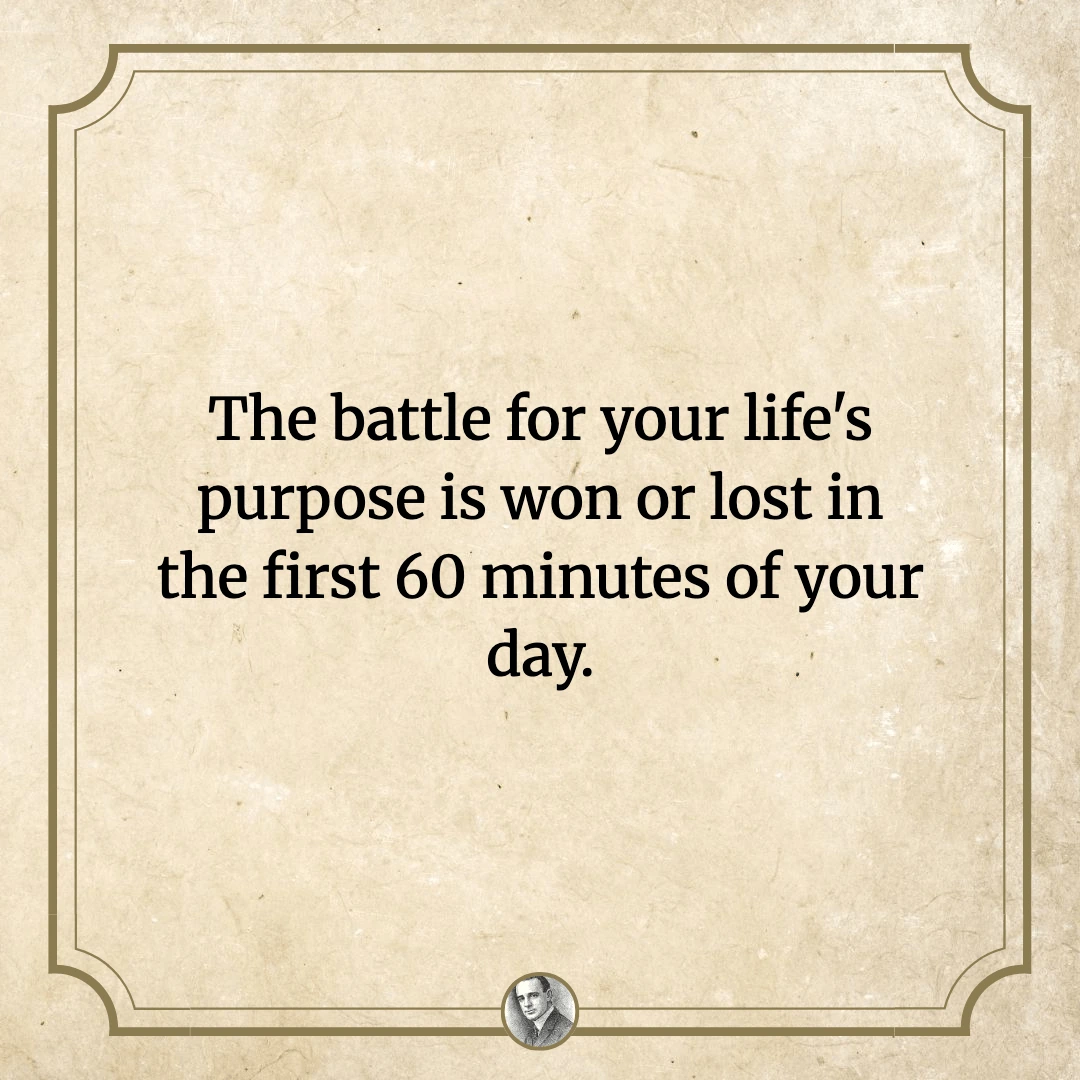
When we talk about maintaining a definiteness of purpose, we rarely discuss how the first hour of your day can make or break everything you’re working toward. Your morning routine isn’t just about checking boxes; it’s your daily declaration that your purpose matters more than distractions.
The 60-Minute Shield
The first hour after waking is magic. Not in some mystical sense (though maybe that too), but in a practical way. Your brain hasn’t yet been bombarded with demands, notifications, and other people’s emergencies.
This is your shield time.
We’ve found that protecting these first 60 minutes creates an energetic boundary around your day. It’s like building a moat around your purpose castle. Dramatic? Maybe. Effective? Absolutely.
What happens in this hour matters less than what DOESN’T happen. No email. No social media. No news. No responding to texts. Nothing that puts other people’s priorities ahead of your purpose.
Even on days when we sleep in (because we’re human), we still honor the 60-minute shield. It might start at 5 AM or 9 AM, but that first hour remains sacred regardless.

Are you actually choosing your focus? Or is your phone?
I walked into the kitchen one morning last week and found Sharon staring at her phone, coffee getting cold beside her. Forty-five minutes had vanished into the black hole of her screen.
“I was just going to check one email,” she said.
We’re not anti-technology. But we are pro-intention. And that’s the problem with morning phone checks – they’re rarely intentional. They’re reactive.
A simple solution: charge your phone outside your bedroom. Get an actual alarm clock (yes, they still exist). When you wake up, your first interaction should be with your purpose, not everyone else’s.
This isn’t about discipline as much as it’s about design. Design your environment so distraction requires more effort than focus does.
And look – if you absolutely must check your phone first thing (maybe you have teenagers or aging parents), set boundaries. Check only for emergencies, then put it away until your morning purpose work is complete.
The Physical Comes Before the Mental
Our bodies aren’t separate from our minds. Obvious statement? Sure. But we forget this simple truth when designing our mornings.
The physical state you create determines how effectively you can focus on your purpose. Before diving into your most important work, take care of the vessel.
Some essentials we’ve found non-negotiable:
– Water before coffee (sounds simple, changes everything) – Some form of movement (doesn’t need to be CrossFit – even gentle stretching works) – Taking three actual deep breaths (not the shallow chest breathing most of us do all day)
None of this requires fancy equipment or memberships. The point isn’t fitness as much as it is presence. Your body fully awake and ready to serve your highest purpose.
I used to think morning workouts were about looking good. Now I understand they’re about showing up good. Different motivation entirely.
Write Before You’re “Ready”
The most transformative part of my morning routine isn’t meditation or exercise. It’s writing before my inner critic wakes up.
Something magical happens when you put thoughts on paper before your analytical mind kicks in with all its judgments and “practical concerns.” Your purpose speaks more clearly in these early moments.
This writing isn’t meant to be profound. It doesn’t need to make sense to anyone else. Sometimes it’s just bullet points or scattered thoughts. Other times, it’s a direct conversation with my purpose.
Questions we use to guide this writing: – What one thing would make today meaningful toward my purpose? – What’s trying to distract me from my path right now? – What am I avoiding because it’s important but uncomfortable?
The key is keeping your hand moving. Don’t edit. Don’t judge. Just let the words flow for 10-15 minutes before the world gets loud.
This practice has saved our definiteness of purpose countless times. It surfaces resistance early so we can address it before it derails us.
The Power Hour: One Task, No Exceptions
After shielding, moving, and writing comes the culmination of your morning routine – the Power Hour. This is where purpose protection gets real.
Choose ONE task directly connected to your primary purpose. Not emails about your purpose. Not planning work related to your purpose. The actual work itself.
For me, that’s writing my book. For you, it might be coding your app, practicing your instrument, or working on your business plan. Whatever represents forward movement on your most important goal.
The rules of Power Hour are simple but strict: – 45-60 minutes of uninterrupted focus – No phone, no internet (unless absolutely required for the task) – No task-switching – No perfectionism allowed – progress over perfection
If you do nothing else in your morning routine, do this. Even 30 minutes of purpose-driven action before the world’s demands kick in will transform what you accomplish this year.
I remember days when I’d start with email, then meetings, then lunch, then more meetings… suddenly it was 5 PM and I hadn’t touched my most important work. The day felt busy but empty. Sound familiar?
Power Hour flips that script. No matter what chaos follows, you’ve already moved your purpose forward.
The Morning That Changes Everything
None of these five elements is revolutionary on its own. You’ve probably heard variations of each before.
What makes them powerful is how they work together to form an invisible shield around what matters most to you. They create momentum that carries through the inevitable distractions of daily life.
Start small if you need to. Pick just one of these practices and make it non-negotiable for two weeks. Notice what shifts.
Your purpose isn’t just some lofty ideal. It’s a daily practice of choosing what matters over what’s merely urgent. And your morning routine is where that choice gets real.
So tomorrow, when that alarm goes off, remember what’s at stake. It’s not just about being productive. It’s about protecting the purpose only you can fulfill in this world.
That’s worth waking up for.