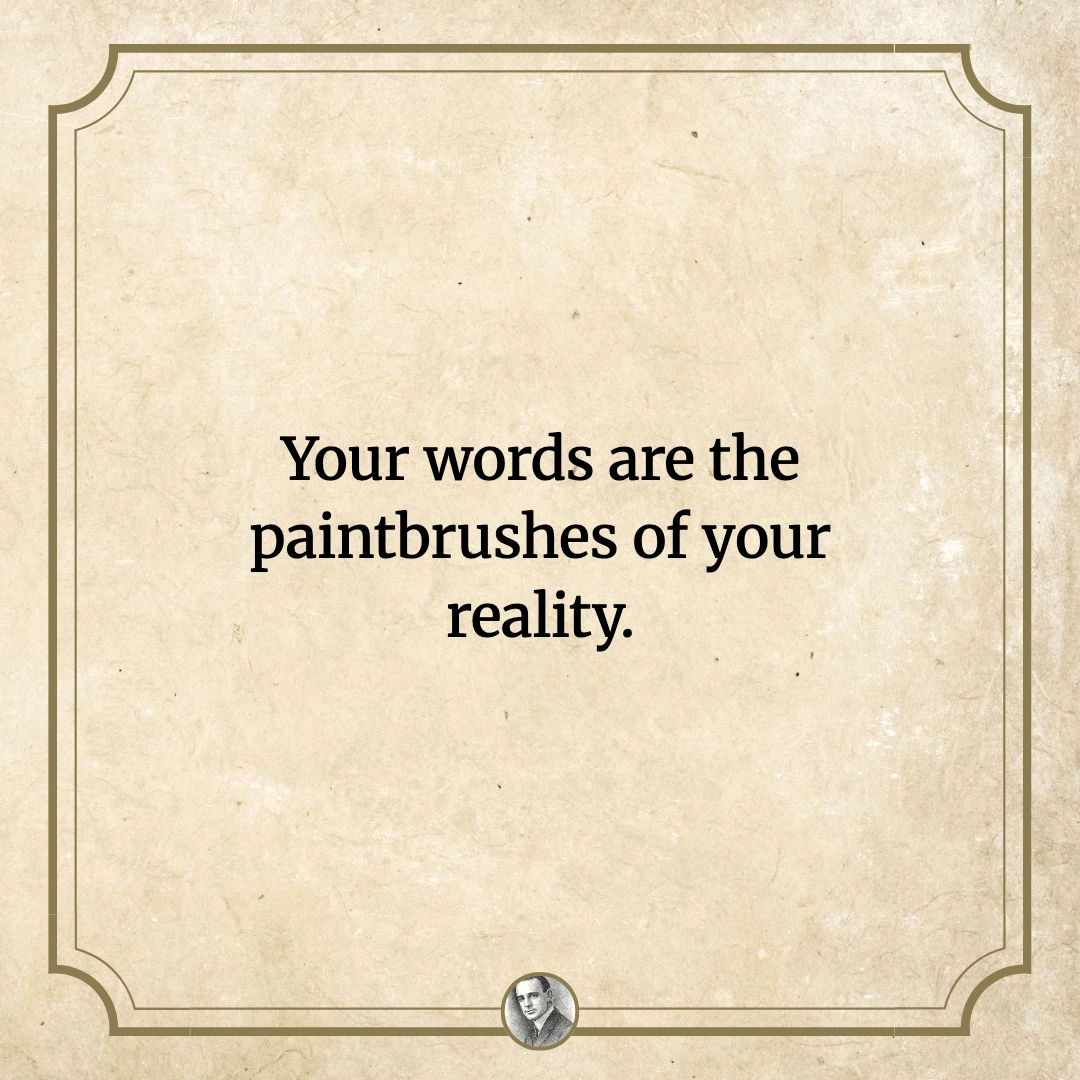
So we were talking about this whole words-creating-reality thing over lunch, and Sharon pointed out something we’d completely missed. The way we speak when no one’s listening – those little muttered phrases under our breath when we spill coffee or hit traffic – might be the most powerful manifestation tools we have.
Think about it. Those casual words we toss around without thinking? They’re like tiny seeds we plant all day long. “I’m always late.” “This never works out for me.” “Why do I always forget things?” We say them so automatically we don’t even notice.
But our subconscious is listening. Always. And it takes those throwaway comments as serious instructions for creating our reality.
The words we speak – especially the ones we repeat daily – have this sneaky way of becoming our truth. The good news? This works in reverse too. Change the words, change your life. Seriously.
The Weird Science Behind Your Words
Our brains can’t actually tell the difference between something we vividly imagine and something we experience. This isn’t woo-woo stuff – it’s neuroscience. When you repeatedly tell yourself something (good or bad), your brain creates neural pathways that make that statement feel more and more true.
That’s why people who constantly say “I’m broke” tend to stay broke. Their brain is literally being programmed to spot opportunities to create more broke-ness.
But flip that script – start saying “Money comes to me easily” – and your brain begins scanning for evidence of that instead. You’ll notice opportunities you would have missed before. You’ll take different actions. The words come first, then the mindset shift, then the real-world changes.
And look – we’re not saying you can manifest a million dollars by chanting affirmations while ignoring your bank account. But your words create the mental environment where real change becomes possible.
Napoleon Hill figured this out a century ago. The whole “thoughts become things” principle starts with the words you use, because words are thoughts made audible.
Stop Saying These Happiness-Blockers Right Now
There are certain phrases that are basically manifestation poison. They shut down possibility and tell your brain, “Don’t even bother looking for good stuff.”
“I’m so unlucky” tops the list. This one’s brutal because it makes you blind to all the times things actually work out. You filter them out because they don’t match your “unlucky” identity.
“That’s just my life” is another one. Talk about limiting! You’re telling the universe your current situation is fixed and unchangeable.
“I’ll try” might sound innocent, but it secretly builds in the expectation of failure. It gives you an easy out.
“I have to” versus “I get to” changes everything. “I have to go to work” feels heavy and victim-like. “I get to go to work” acknowledges you have a job when many don’t.
And the absolute worst: “I’ll be happy when…” This postpones your happiness to some future point, which trains your brain that happiness is always out of reach.
We’ve been guilty of all of these. It’s human nature. But the moment we catch ourselves, we can course-correct.
Happiness Words That Literally Rewire Your Brain
“I am becoming” is perhaps the most powerful phrase for manifesting happiness. It acknowledges where you are while pointing toward growth. “I am becoming more patient” feels both honest and hopeful.
“I choose” puts you back in the driver’s seat. Even in difficult situations, you can say “I choose to see the lesson in this” or “I choose to respond with calm.”
“Thank you” – said aloud, even when alone – is manifestation magic. Gratitude literally cannot coexist with negative emotions in your brain. Try being angry while genuinely saying “thank you” – it’s neurologically impossible.
“Until now” is a game-changer that Sharon taught me. Add it to the beginning or end of any negative statement: “Until now, I’ve struggled with money” or “I’ve been disorganized, until now.” It acknowledges your past while creating an opening for change.
Even simple words like “yet” make a difference. “I haven’t mastered this yet” versus “I can’t do this” tells your brain to keep working.
The 3-Day Word Challenge That Changed Everything
Last month I tried something radical. For just three days, I banned five phrases from my vocabulary: – “I don’t have time” – “I’m stressed” – “I can’t afford it” – “I’m tired” – “It’s hard”
I didn’t have to pretend these things weren’t true sometimes. I just had to find different words.
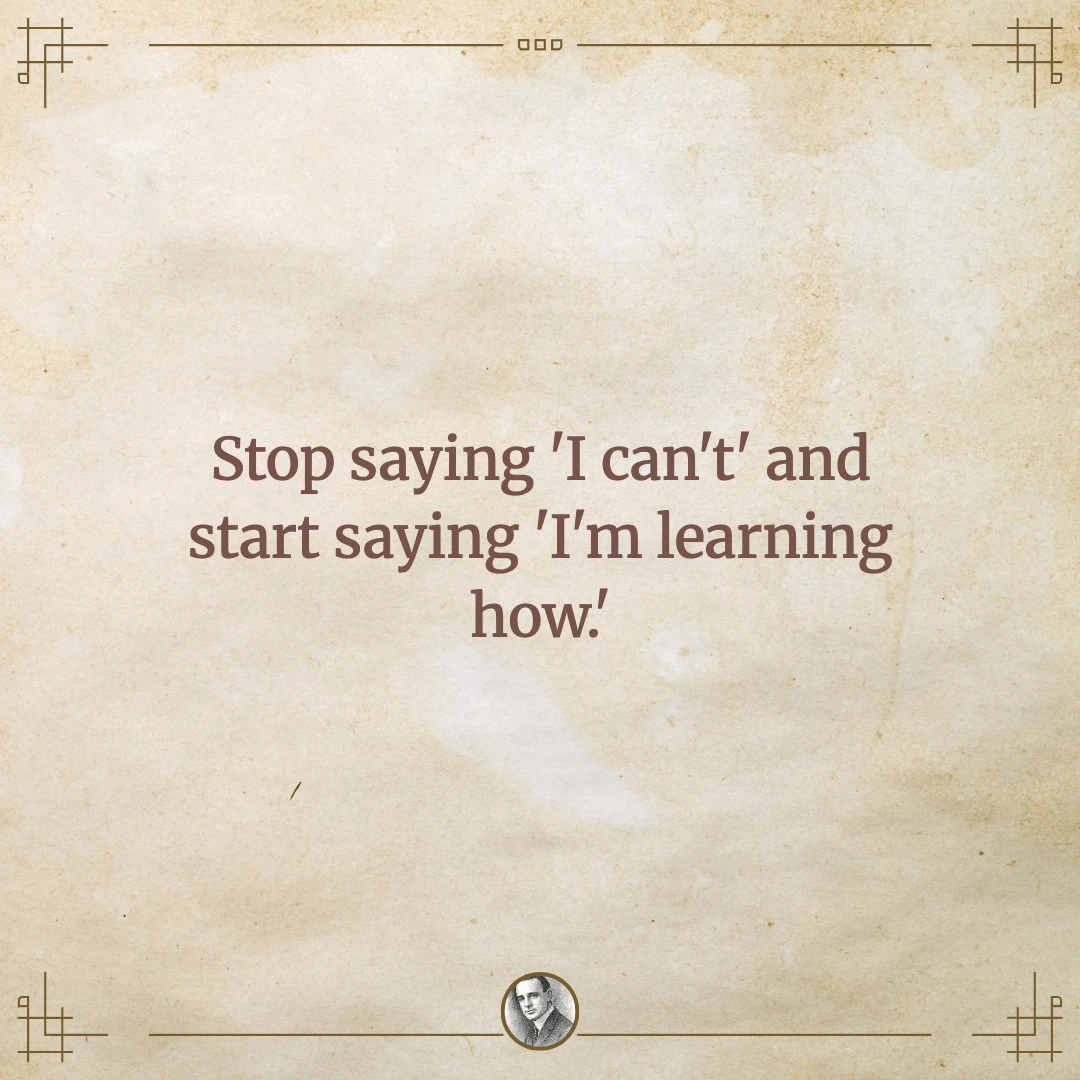
Instead of “I don’t have time,” I said “That’s not a priority for me right now.” Brutal honesty, but it forced me to acknowledge my choices.
“I’m managing my energy” replaced “I’m stressed.”
“That’s not in my budget currently” instead of “I can’t afford it.”
“I need to rest” instead of “I’m tired.”
And “This is challenging me” rather than “It’s hard.”
The shift was subtle but profound. By day three, I felt more in control of my circumstances rather than victimized by them. My happiness level genuinely improved, not because my external world had changed, but because my relationship to it had.
What would happen if you tried this for just 72 hours?
How to Actually Remember to Change Your Words
Knowing you should change your words and actually doing it are completely different things. Let’s be real – we all forget.
One trick that works: Put a rubber band on your wrist. Every time you catch yourself using a negative phrase, snap it lightly. Not as punishment, but as a pattern interrupt.
Or try the red dot method. Put a small red sticker somewhere you’ll see often – your phone, computer, bathroom mirror. Each time you notice it, check your language.
You can even create a “swear jar” – but for negative phrases instead of curse words. Every time you catch yourself saying “I can’t” or “This always happens to me,” put in a dollar.
The point isn’t perfection. The point is awareness. Because you can’t change what you don’t notice.
My personal favorite technique is the “That’s not like me” redirect. When I catch myself saying something that doesn’t align with who I want to be, I immediately follow with “That’s not like me. What’s more like me is…” and then state the positive alternative.
But Does All This Actually Manifest Happiness?
Short answer: yes. Longer answer: it depends what you mean by “happiness.”
If you’re expecting permanent, floating-on-clouds bliss, no language pattern will deliver that (and it would be exhausting anyway). But if you’re talking about a general sense of well-being, purpose, and engagement with life – absolutely.
Changing your words is like turning the rudder on a ship. The shift feels small at first, but over time, it completely changes your destination.
One week of consciously choosing words that empower rather than diminish you can create noticeable shifts in your mood. One month can transform relationships. Six months can completely change your self-concept and what you believe is possible.
The most powerful thing about using words to manifest happiness is that it’s completely free, requires no special equipment, and can be started this second.
Right now, what words are you using to describe today? This week? Your life? Are they pointing you toward what you want, or away from it?
You’re always manifesting through your words. The only question is whether you’re doing it consciously or unconsciously.
Start with just today. Choose words that create possibility rather than limitation. Notice how differently you feel by bedtime. Then do it again tomorrow.
Small shifts, enormous consequences. That’s the true power of your words.