I used to think my phone was the enemy. Every notification, every buzz seemed designed to pull me away from what mattered most. But last Thursday night, after missing a deadline on a project I truly cared about, I realized something: it wasn’t my phone that was the problem. It was me.
For weeks I had been blaming everything but myself. The endless emails. The social media rabbit holes. The suddenly urgent need to reorganize my sock drawer whenever I faced a challenging task.
Look, we all deal with distractions. They’re not just annoying interruptions – they’re silent dream-killers that slowly erode our ability to manifest what we truly want. And in our journey of self-discipline this week, tackling these focus-thieves head-on might be the most important battle we fight.
So let’s talk about how to beat distractions and reclaim our mental energy for what actually matters to us.
Your Brain Is Basically a Distraction Machine
Your brain doesn’t always want what’s best for you. Wild, right?
Our minds evolved during times when being distracted could save our lives. Hear a rustling in the bushes? Better pay attention – could be a predator! This survival mechanism served us well for thousands of years.
But now? That same system gets triggered by every email notification, social media alert, or random thought that pops up. Our ancient brain circuitry treats each distraction as potentially important, even when it’s just another cat video.
The dopamine hit we get from these distractions is real. Each time we check our phone, we’re essentially pulling a slot machine lever – maybe there’s something exciting, maybe there’s not. This uncertainty creates a powerful reward loop that keeps us coming back.
Not to mention that focusing on hard things often feels uncomfortable. Our brains are wired to conserve energy, so they’ll happily suggest easier activities (like checking Instagram for the twelfth time this hour).
Knowing this doesn’t make us weak – it makes us human. And understanding how our brains work is the first step to taking back control.
Three Types of Distractions (And How to Beat Each One)
All distractions aren’t created equal. To beat them, we need to understand what we’re dealing with.
1. **External distractions** are the obvious ones: notifications, noise, other people, environmental factors. These come from outside ourselves.
2. **Internal distractions** are trickier: our own thoughts, worries, daydreams, hunger, fatigue – anything generated by our own minds and bodies.
3. **Procedural distractions** are system failures: poor planning, unclear goals, lack of structure that makes staying focused nearly impossible.
For external distractions, the solution is often straightforward (though not always easy):
– Put your phone in another room when working on important goals – Use website blockers during focused work periods – Create a dedicated workspace with minimal visual clutter – Try noise-canceling headphones or background white noise – Set clear boundaries with people around you
Internal distractions require different strategies:
– Keep a “distraction pad” nearby to jot down random thoughts that pop up so you can deal with them later – Practice meditation to strengthen your “notice and return” muscle when your mind wanders – Schedule regular breaks (the Pomodoro Technique works wonders here) – Address physical needs – it’s hard to focus when hungry or exhausted
Procedural distractions need systems:
– Break goals into clear, specific next actions – Create a consistent daily routine that supports your manifestation practice – Use implementation intentions: “If X happens, then I will do Y” – Schedule your most important work during your personal peak energy times
It’s not about eliminating all distractions forever (impossible). It’s about having strategies ready for when they inevitably show up.
The Focus Muscle Grows With Exercise
When Sharon first started her daily visualization practice, she could barely go 30 seconds without her mind wandering. She’d try to picture her goals and suddenly find herself thinking about what to make for dinner or that weird comment someone made three days ago.
She was ready to give up. “I just can’t focus,” she told me. “Maybe I’m not cut out for this manifestation stuff.”
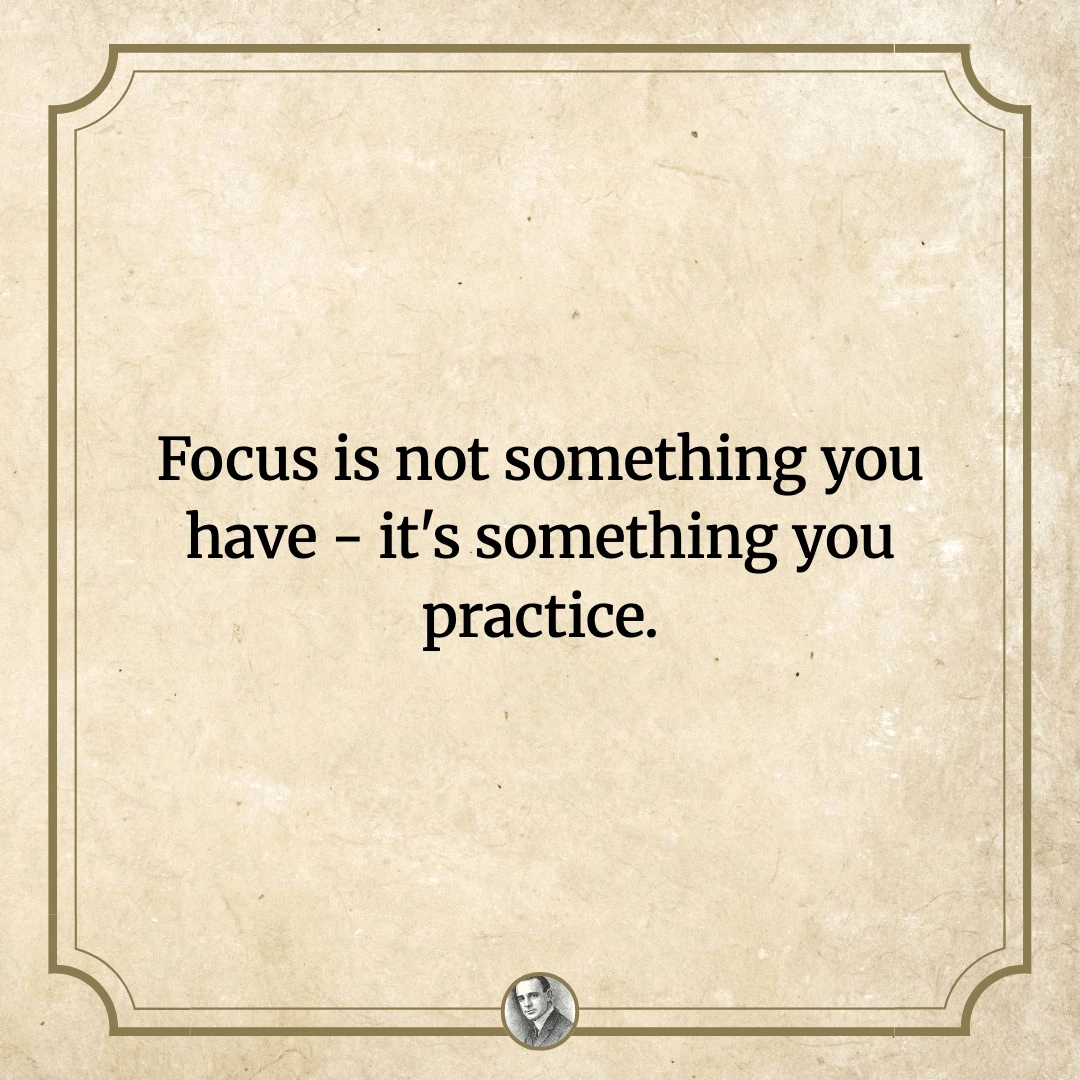
But focus isn’t something you either have or don’t – it’s a skill you build, like strengthening a muscle.
We suggested she start with just 2 minutes of focused visualization. Just 120 seconds. When her mind wandered (not if, but when), she’d gently bring it back without judgment.
After two weeks of this daily practice, those 2 minutes became 5, then 10. Six months later, she could maintain focused visualization for 20 minutes straight – something that seemed impossible at the start.
The point? Your ability to beat distractions improves with consistent practice. Each time you notice you’re distracted and consciously return to your focus, you’re doing the equivalent of a mental pushup.
And just like physical exercise, it gets easier over time. Not because the distractions disappear, but because your ability to work with them improves.
Create an Environment That Does the Heavy Lifting
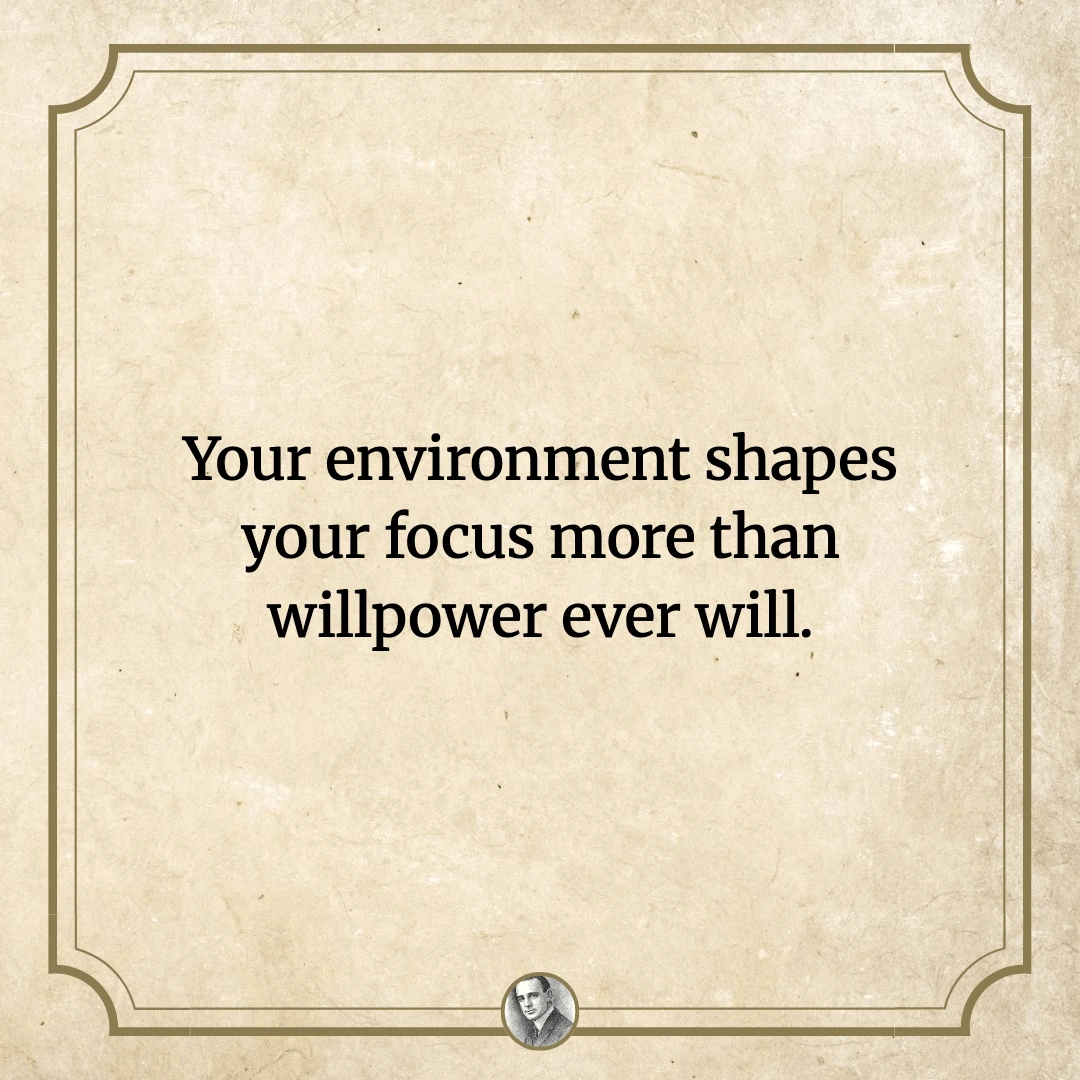
Sometimes the best way to beat distractions isn’t through willpower – it’s through smart environmental design.
Think about it: trying to avoid eating cookies while they’re sitting right in front of you requires constant mental effort. But if there are no cookies in the house? Problem solved with zero willpower needed.
The same principle applies to staying focused on your goals. Design your environment to make focus the path of least resistance:
– Want to read more? Keep books visible and your TV remote in a drawer. – Need to write daily? Set up your writing space the night before so it’s ready to go. – Trying to meditate each morning? Create a dedicated corner with your cushion always ready.
Your physical space creates invisible forces that either pull you toward your goals or push you away from them.
I reorganized my desk last month – removing everything except my computer, journal, and a small plant. The difference in my ability to stay focused was immediate and dramatic. Not because I suddenly developed superhuman concentration powers, but because I had fewer things competing for my attention.
What in your environment could you change to make staying focused easier?
Connecting Focus to Your Deeper Why
Some days, no matter what techniques we try, distractions seem to win. On those days, we need something stronger than productivity hacks – we need meaning.
When we connect our focus to our deeper why – the real reason behind our goals – beating distractions becomes less about force and more about alignment.
Take a moment to reflect: What happens if you don’t achieve your current goals? Who might be affected? How would your future self feel looking back at this moment?
This isn’t about adding pressure or guilt. It’s about reconnecting with the authentic reasons behind your journey.
Sometimes we get so caught up in the how (the daily tasks) that we lose sight of the why (the purpose and meaning). When that happens, distractions don’t just seem more appealing – they become a welcome escape from tasks that feel empty.
The most powerful focus strategy isn’t a technique at all – it’s having goals so meaningful that focusing becomes the natural choice.
Now What?
Beating distractions isn’t something you master once and forget about. It’s a daily practice, just like any other aspect of manifestation work.
Start by picking just ONE strategy from this post to implement today. Maybe it’s creating a distraction pad, setting up website blockers, or clarifying your deeper why.
Remember that progress isn’t linear. Some days you’ll be in the flow, completely absorbed in your important work. Other days you’ll feel like a pinball bouncing between distractions. That’s normal.
What matters is that you keep showing up, keep practicing, keep refining your approach.
In the battle to beat distractions, consistency beats perfection every time.
Tomorrow we’ll explore how to build unshakable self-discipline routines that support your manifestation practice. But for today, focus on reclaiming your attention – it might be the most valuable resource you have on this journey.